Ranking the 22 best Cali weed strains from the USA
The 22 best Cali weed strains, the Californian genetics everyone talks about, are: OG Kush, Granddaddy Purple, Girl Scout Cookies, Gelato 41, Godfather OG, Gorilla Glue #4, Lemon Haze, Bubba Kush, Banana Kush, Sunset Sherbet, Blue Dream, Pineapple Express, Skywalker OG, Wedding Cake, Alien Cookies, Runtz, Zkittlez, Jack Herer, Bruce Banner #3, Chemdawg, Sour Diesel and Permanent Marker. Most of them were born or perfected under the Californian sun, shaped by a cannabis culture with no real equivalent anywhere else: from the Bay Area to Los Angeles, from Humboldt County to Oakland, where half a century of underground breeding produced some of the most decorated genetics on the planet.
OG Kush, Gelato, Runtz, Godfather OG… these names now turn up all over Europe, from Amsterdam coffeeshops to Barcelona cannabis clubs and French CBD shops, where “Cali” has become a label in its own right. They are the genetics that have filled the winners’ lists of the High Times Cannabis Cup, the Emerald Cup and the Leafly Strain of the Year for two decades. At Jungle Kush, we have put together the 22 Cali strains that matter, with their signature terpenes, their reported THC levels, their aroma profiles and their documented origins. And because you are reading this in Europe, we also look at the Cali craze from this side of the Atlantic: what the law says from one country to the next, why a shiny “Cali” bag proves very little, and how to enjoy these genetics legally as CBD flowers under 0.3% THC, from lab-tested batches shipped across Europe. 🌿
Where does this ranking come from? From public strain databases such as Seedfinder, Leafly and Weedmaps, from published terpene analyses by Californian labs, and from the history of the big cannabis competitions. Each strain in this top 22 earned its place for a documented reason, not just because it is trending on Instagram.
Why are Cali weed strains so legendary?
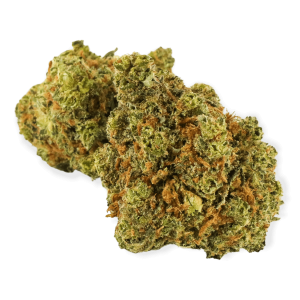
Lemon Haze Cali USA
The zesty West Coast classic as a CBD flower in our Delta-9 range, under 0.3% THC, from a lab-tested batch. Legal in France and in many EU countries under 0.3% THC: check the rules in your country.
California is Hollywood for cannabis. From the 1970s, the Bay Area and Los Angeles became the hubs of an underground culture that would transform breeding worldwide. Californian growers got hold of landrace genetics from Afghanistan, Mexico, Thailand and beyond, then crossed and selected them for decades.
The result? Strains with an unrivalled terpene richness. Cali genetics stand out for their intense aromas (fuel, earth, citrus, sweet dessert), their dense and resinous buds, and their complex cannabinoid profiles. That is the Cali DNA: the work of obsessive breeders who genuinely changed the face of modern cannabis.
In Europe, the picture is a patchwork. High-THC “Cali” mostly circulates on the illicit market, with all the uncertainty that implies, while a legal route has grown up alongside it: CBD versions of the great Cali genetics, with the same terpene families but under 0.3% THC. At Jungle Kush you will find several of them in our Delta-9 range (Lemon Haze, Banana Kush, SkyWalker, Wedding Cake…), as well as collector’s cannabis seeds. These flowers are legal in France and in many EU countries under 0.3% THC; check the rules in your country, because they are not legal everywhere (the UK and Italy, for example).

Comparison table of the 22 best Cali weed strains
| Strain | Type | Main terpenes | THC (reported) | Origin |
|---|---|---|---|---|
| OG Kush | Indica-leaning hybrid | Myrcene, limonene, caryophyllene | 20-25% | Los Angeles, early 1990s |
| Granddaddy Purple | Indica | Myrcene, caryophyllene, pinene | 17-23% | Bay Area, 2003 |
| Girl Scout Cookies | Hybrid | Caryophyllene, limonene, humulene | 19-28% | Bay Area, c. 2010 |
| Gelato 41 | Indica-leaning hybrid | Limonene, caryophyllene, myrcene | 20-25% | Bay Area, c. 2014 |
| Godfather OG | Indica | Myrcene, caryophyllene, limonene | 25-34% | California, 2000s |
| Gorilla Glue #4 | Hybrid | Myrcene, caryophyllene, limonene | 25-30% | Nevada/California, c. 2013 |
| Lemon Haze | Sativa | Limonene, myrcene, caryophyllene | 15-25% | Netherlands/California, 2000s |
| Bubba Kush | Indica | Myrcene, caryophyllene, pinene | 15-22% | Los Angeles, mid-1990s |
| Banana Kush | Indica-leaning hybrid | Myrcene, ocimene, limonene | 18-25% | Los Angeles, c. 2009 |
| Sunset Sherbet | Indica-leaning hybrid | Caryophyllene, limonene, humulene | 18-24% | Bay Area, c. 2013 |
| Blue Dream | Sativa | Myrcene, pinene, caryophyllene | 17-24% | Santa Cruz, c. 2003 |
| Pineapple Express | Sativa-leaning hybrid | Terpinolene, myrcene, ocimene | 17-26% | California, c. 2006 |
| Skywalker OG | Indica | Myrcene, caryophyllene, limonene | 20-30% | Los Angeles, 2000s |
| Wedding Cake | Indica-leaning hybrid | Caryophyllene, limonene, myrcene | 22-27% | California, c. 2016 |
| Alien Cookies | Indica-leaning hybrid | Caryophyllene, limonene, myrcene | 22-30% | California, c. 2012 |
| Runtz | Hybrid | Limonene, caryophyllene, linalool | 19-29% | Los Angeles, c. 2018 |
| Zkittlez | Indica-leaning hybrid | Caryophyllene, linalool, humulene | 15-23% | Northern California, c. 2014 |
| Jack Herer® | Sativa | Terpinolene, ocimene, pinene | 15-24% | Netherlands, 1990s |
| Bruce Banner #3 | Sativa-leaning hybrid | Myrcene, limonene, caryophyllene | 24-29% | Colorado, c. 2011 |
| Chemdawg | Hybrid | Myrcene, caryophyllene, limonene | 15-20% | Disputed, 1991 |
| Sour Diesel | Sativa | Myrcene, limonene, caryophyllene | 18-26% | US East Coast, early 1990s |
| Permanent Marker | Indica-leaning hybrid | Caryophyllene, limonene, myrcene | 25-33% | Seed Junky, c. 2020 |
The top 22 Cali weed strains from the USA 🏆

Wedding Cake CBD flower
Leafly's 2019 Strain of the Year as a CBD flower: vanilla, pepper and creamy sweetness, under 0.3% THC and lab-tested. Shipped across Europe; check the rules in your country.
1. OG Kush: the mother of all strains
OG Kush is probably the most influential strain in the history of modern cannabis. It appeared in Los Angeles in the early 1990s, and its exact origin is still argued over: a Chemdawg x Hindu Kush cross for some, a mysterious cut brought over from Florida for others.
What is certain is that it fathered a dynasty. Bubba Kush, Godfather OG, Skywalker OG, Larry OG, Tahoe OG… dozens of direct descendants carry its DNA. Its terpene profile is unmistakable: myrcene, limonene and caryophyllene combine into that aroma of pine, damp earth and fuel which became the signature of top-shelf Californian cannabis. For a legal taste of the OG family, try our OG Purple Kush small buds, US genetics in a CBD version under 0.3% THC.
THC: 20-25% | Type: indica-leaning hybrid | Main terpenes: myrcene, limonene, caryophyllene
2. Granddaddy Purple: the queen of purple
Created in 2003 by Ken Estes in the San Francisco Bay Area, Granddaddy Purple became California’s reference indica. A cross of Purple Urkle and Big Bud, it made purple buds fashionable across the whole cannabis world.
Those colours are not a marketing trick: the purple comes from anthocyanins, natural pigments whose expression depends on temperature swings at the end of flowering. Its aroma is instantly recognisable, with grape, blueberry and soft earth, carried by dominant myrcene that gives it a calm, evening character. GDP collected cup awards in the 2000s and remains a benchmark indica twenty years on.
THC: 17-23% | Type: indica | Main terpenes: myrcene, caryophyllene, pinene
3. Girl Scout Cookies (GSC): the icon that rewrote the rules
Few strains have shifted the standards of Californian cannabis the way GSC did. It emerged in the Bay Area around 2010, in the hands of the Cookie Fam, a collective of breeders who long stayed in the shadows, and it is a cross of OG Kush and Durban Poison.
What sets it apart is a complex terpene profile led by caryophyllene, humulene and limonene, which gives that sweet cookie aroma with spicy, earthy notes. Its buds show characteristic purple hues and an exceptional coat of trichomes. GSC picked up a string of Cannabis Cup awards and spawned a whole family: Gelato, Sunset Sherbet, Thin Mints, Platinum Cookies. It is now one of the most cloned genetics in the world.
THC: 19-28% | Type: hybrid | Main terpenes: caryophyllene, limonene, humulene
4. Gelato 41: the phenotype that crushed the competition
Gelato is the Cookie Fam’s most iconic creation, born from a Thin Mint GSC x Sunset Sherbet cross. Several phenotypes were numbered and released, and two became famous: #33, nicknamed “Larry Bird” after the basketball player’s shirt number, and #41, known as “Bacio Gelato”, the denser and slightly gassier cut that became the market’s favourite.
Dense buds in shades of purple and orange, and an aroma of sweet, fruity dessert with creamy notes, carried by limonene and caryophyllene. Gelato marked a turning point in breeding history: for the first time, a cannabis strain genuinely smelled like a patisserie dessert. Its influence on the wave of “dessert strains” is hard to overstate, and Leafly named Gelato its Strain of the Year in 2018. Collectors will find it as Gelato 41 feminised CBD seeds.
THC: 20-25% | Type: indica-leaning hybrid | Main terpenes: limonene, caryophyllene, myrcene
5. Godfather OG: the Don of cannabis
Nicknamed “the Don of all OGs”, Godfather OG is the result of several generations of Californian OG crosses and built its reputation as one of the most potent strains on the US cup circuit in the early 2010s. Its exact lineage is disputed, but it is usually given as Alpha OG x XXX OG.
A pure indica, it has dark green buds with purple flashes and an exceptional trichome coat that make it easy to spot. Its aroma is earthy and peppery, with notes of grape and pine. With THC regularly reported between 25 and 34% in US lab results, it remains a reference for connoisseurs who want Californian power in its most concentrated form.
THC: 25-34% | Type: indica | Main terpenes: myrcene, caryophyllene, limonene
6. Gorilla Glue #4: the accident that changed everything
GG#4 was born from an accident: a hermaphrodite Chem’s Sister pollinated a Sour Dubb, and the result was then crossed with Chocolate Diesel. The breeders had not planned that pollination, and they almost threw the plants away before realising what they had.
Its name comes from a story that has become legend: the resin was so sticky that it gummed up the trimmers’ scissors, as if they had been stuck with Gorilla Glue. It won several Cannabis Cups in a row (and later had to change its official name to GG4 after a trademark dispute), and its diesel, chocolate and coffee profile, carried by myrcene and caryophyllene, became a signature around the world.
THC: 25-30% | Type: hybrid | Main terpenes: myrcene, caryophyllene, limonene
7. Lemon Haze: the legendary citrus sativa
Lemon Haze is one of the rare sativas to have won over the European market as much as the American one. A cross of Lemon Skunk and Silver Haze, it is closely associated with the Dutch scene, while Californian growers adopted it and selected their own phenotypes.
Its golden-green buds with orange pistils are recognisable at a glance. Its terpene profile is massively dominated by limonene, the terpene that gives it that fresh lemon taste and smell, with a bright, daytime character. Decades after it appeared, Lemon Haze is still the benchmark for zesty, citrus sativas.
THC: 15-25% | Type: sativa | Main terpenes: limonene, myrcene, caryophyllene
8. Bubba Kush: the mysterious Los Angeles indica
The Bubba Kush story starts in the mid-1990s with a grower known as “Bubba”, who is said to have brought an indica cut from New Orleans. Back in Los Angeles, that plant was accidentally crossed with OG Kush, and the result was jealously guarded for years before spreading throughout California.
Its compact, dark buds and its aromas of coffee, dark chocolate and earth, carried by myrcene, make it one of the most copied strains in Los Angeles. Bubba Kush is the archetype of the heavy, comfortable evening indica, and its influence on Californian Kush breeding is immense.
THC: 15-22% | Type: indica | Main terpenes: myrcene, caryophyllene, pinene
9. Banana Kush: tropical Cali
Born from a Ghost OG x Skunk Haze cross, Banana Kush is one of the fruitiest expressions of Californian genetics. It appeared in Los Angeles dispensaries around the turn of the 2010s and quickly became a reference hybrid.
Its ripe banana aroma is a chemical curiosity: fruity notes like this are rare in cannabis, and the exact compounds behind them are still debated, though ocimene and myrcene play a part. Light green buds with yellow glints, a balanced hybrid structure, and a profile that blends indica calm with an earthy OG base. Banana Kush proves that California knew how to fold tropical genetics into its DNA.
THC: 18-25% | Type: indica-leaning hybrid | Main terpenes: myrcene, ocimene, limonene
At Jungle Kush, Banana Kush comes in two forms: as a Cali USA CBD flower in our Delta-9 range, under 0.3% THC, and as feminised photoperiod seeds sold as collector’s items (germinating cannabis seeds is illegal in France, the UK and many other countries: check your local rules).
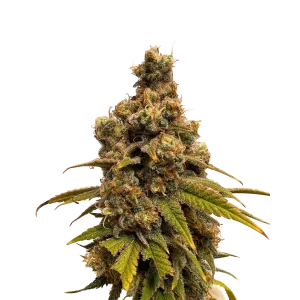
Banana Kush Cali USA
Ripe banana over an earthy OG base: the tropical side of California as a CBD flower under 0.3% THC, lab-tested and shipped across Europe.
10. Sunset Sherbet: the mother of dessert strains
Sunset Sherbet is the strain that opened the door to modern dessert strains. Bred by the Cookie Fam from a GSC x Pink Panties cross, it inherited GSC’s aromatic complexity and added a fruity, creamy sweetness nobody had seen before.
Its buds show spectacular colours: green, purple, orange, pink, a palette that gave it its name. Its terpene profile is led by caryophyllene and limonene, creating that fruity, creamy sweet aroma over an earthy OG base. Sunset Sherbet is a direct parent of Gelato and an ancestor of Rainbow Sherbet and dozens of other dessert strains that dominate today’s market.
THC: 18-24% | Type: indica-leaning hybrid | Main terpenes: caryophyllene, limonene, humulene
11. Blue Dream: California’s favourite sativa
For the best part of a decade, Blue Dream was one of the best-selling strains in California, a distinction few strains can claim. Born in Santa Cruz, it is usually described as a Blueberry x Haze cross, although its exact origin is still debated.
Its success comes from a near-perfect balance: enough sativa to feel bright and creative, enough indica to stay smooth, and an aroma of sweet blueberry and vanilla that even newcomers to the world of terpenes appreciate straight away. Its profile, led by myrcene, pinene and caryophyllene, makes it one of the most approachable strains in the Californian range. It brought premium cannabis to the mainstream in California long before adult-use legalisation.
THC: 17-24% | Type: sativa | Main terpenes: myrcene, pinene, caryophyllene
12. Pineapple Express: the myth that came true 🍍
Pineapple Express existed before the Seth Rogen film, but the film made it world-famous. A Trainwreck x Hawaiian cross, this Californian hybrid draws on tropical Hawaiian genetics and the vigour of West Coast sativas.
Its aromas of pineapple, fresh cedar and pine come from a terpene profile led by terpinolene, a fairly rare compound that gives it a unique floral, fruity character. Light, approachable and fruity, Pineapple Express sums up the laid-back Californian spirit and remains one of the best introductions to the fruity sativas of the West Coast.
THC: 17-26% | Type: sativa-leaning hybrid | Main terpenes: terpinolene, myrcene, ocimene
13. Skywalker OG: the Force, Los Angeles style
Skywalker OG is a Skywalker x OG Kush cross that perfectly illustrates the Californian breeding philosophy: take two reference genetics and push their potential further still. It appeared in Los Angeles in the 2000s and became a dispensary favourite.
Its buds are dense and covered in snow-white trichomes, with aromas that combine OG Kush fuel and Skywalker’s fruity, spicy notes. Dominant myrcene gives it a deeply calm profile, which made it a classic indica for long, slow evenings. Its aromas live on in our SkyWalker USA CBD flower, a Delta-9 version under 0.3% THC.
THC: 20-30% | Type: indica | Main terpenes: myrcene, caryophyllene, limonene
14. Wedding Cake: the cake that conquered the planet
Wedding Cake (also known as Pink Cookies) comes from a Triangle Kush x Animal Mints cross by Seed Junky Genetics, and within a few years it became one of the most celebrated strains of the late 2010s. Leafly named it Strain of the Year 2019, a title that reflects its global influence.
Its aroma is distinctive: vanilla, earth, pepper and a creamy sweetness that recalls the icing on a wedding cake. Dense buds with purple tints, an exceptional trichome coat and THC regularly reported above 25%: Wedding Cake is the culmination of Californian breeding focused on dessert profiles. You can find it in our shop as a glasshouse-grown Wedding Cake CBD flower, under 0.3% THC.
THC: 22-27% | Type: indica-leaning hybrid | Main terpenes: caryophyllene, limonene, myrcene
15. Alien Cookies: when Cali met Alien Genetics
Alien Cookies was bred by Alien Genetics from an Alien Dawg x Girl Scout Cookies cross, combining the earthy power of Alien Dawg with the aromatic complexity of GSC. It was one of the strains that pushed reported THC levels towards the 30% mark in Californian lab results.
Its diesel, sweet cookie and intense earthy notes create a complex, instantly recognisable profile. The buds are dense and dark, with characteristic orange hairs and a resin that reflects years of selection for strength. A classic of the Cali scene for lovers of OG-Cookie profiles pushed to the extreme. For experienced adults, our Alien Cookies USA flower belongs to the strong CBD range (10-OH+ molecule): these new molecules are banned in several European countries, so check your local rules before ordering.
THC: 22-30% | Type: indica-leaning hybrid | Main terpenes: caryophyllene, limonene, myrcene
16. Runtz: the star of the 2020s
Runtz is the Zkittlez x Gelato cross that took the global cannabis scene by storm between 2018 and 2020. Made famous by the Los Angeles brand of the same name, co-founded by rapper Yung LB, it was quickly adopted by the whole Californian hip-hop scene.
Its aroma is unique: fruity and sweet, with notes of tropical sweets produced by a terpene profile rich in limonene and caryophyllene. Its multicoloured buds, green, purple and orange, are among the most photographed in cannabis history. Leafly named Runtz its Strain of the Year 2020, and it has spawned a whole family: White Runtz, Pink Runtz, Red Runtz…
THC: 19-29% | Type: hybrid | Main terpenes: limonene, caryophyllene, linalool
17. Zkittlez: every colour of the rainbow
Zkittlez (or Skittlez) comes from a Grape Ape x Grapefruit cross by 3rd Gen Family and Terp Hogz, two Northern Californian breeding collectives. It won top prizes at the Emerald Cup, California’s most respected cannabis competition, and at the High Times Cannabis Cup in the mid-2010s.
Its tropical fruit aromas are a sensory explosion: grape, mandarin and blueberry, with a floral background from linalool. Its buds are dense and colourful, with spectacular purple flashes. Zkittlez is a direct parent of Runtz and represents the peak of the fruity Californian strains descended from the Grape family.
THC: 15-23% | Type: indica-leaning hybrid | Main terpenes: beta-caryophyllene, linalool, humulene
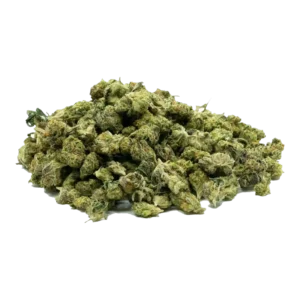
Small Buds Zkittlez
The rainbow fruit profile in small, dense organic buds grown in France, under 0.3% THC and lab-tested. Small buds, smaller price.
18. Jack Herer®: the activist turned legend
Jack Herer is perhaps the first “celebrity strain” in history, created in honour of the author and campaigner who wrote The Emperor Wears No Clothes. Bred by Sensi Seeds in the Netherlands but wholeheartedly adopted by the Californian scene, it is a Haze x (Northern Lights #5 x Shiva Skunk) cross.
Its spicy, floral and woody aromas, carried by terpinolene and pinene, make it one of the most aromatically complex sativas. It won a string of Cannabis Cups in the 1990s and is still the go-to strain for creative types who want a lively, clear-headed sativa. Its exceptional genetic stability explains its lasting worldwide popularity. You will find it in our shop as a Jack Herer® CBD flower under 0.3% THC, and collectors will also find Jack Herer feminised seeds.
THC: 15-24% | Type: sativa | Main terpenes: terpinolene, ocimene, pinene
19. Bruce Banner #3: the incredible Hulk of THC
Bruce Banner #3 caused a stir in 2013 when lab results put it above 28% THC, a figure that made it one of the strongest strains of its time. Bred by Dark Horse Genetics in Colorado from an OG Kush x Strawberry Diesel cross, it combines OG power with the liveliness of Diesel, and the Californian scene quickly took it up.
Its diesel-strawberry aroma with sweet notes comes from a terpene profile led by myrcene and limonene. Several phenotypes were kept, but #3 is the one that concentrated the best traits of both parents: OG power, the fruity Diesel aroma and a dense, resinous bud structure you can spot instantly.
THC: 24-29% | Type: sativa-leaning hybrid | Main terpenes: myrcene, limonene, caryophyllene
20. Chemdawg: the secret grandmother of the whole Cali game
Chemdawg is the strain everyone talks about but nobody has fully pinned down. Its origin is legendary and disputed: according to the most common version, a grower known as “Chemdog” bought a bag of cannabis at a Grateful Dead concert in 1991 and found a handful of seeds inside. Those seeds are said to have given birth to Chemdawg.
What is widely accepted is that it is a genetic ancestor of OG Kush and Sour Diesel, two of the most influential strains in history, and of many of their descendants. Its aroma of diesel, pine and a sharp chemical edge comes from a distinctive terpene profile led by myrcene and caryophyllene. Chemdawg is a cornerstone of modern Californian cannabis.
THC: 15-20% | Type: hybrid | Main terpenes: myrcene, caryophyllene, limonene
21. Sour Diesel: fuel for creativity
Sour Diesel was born on the US East Coast but was wholeheartedly adopted, and refined, by the Californian scene. Usually described as a Chemdawg 91 x Super Skunk cross, it took off in the 1990s and has never slowed down since.
Its diesel, citrus and earthy aroma creates that intense nose that hits you as soon as the jar is opened. Sativa-dominant, with a long flowering time and modest yields, Sour Diesel is hard to grow but irreplaceable in character. It is the reference strain of artists and creatives, and of the whole East Coast x West Coast culture that defined cannabis in the 2000s. Its fuel-and-citrus nose is the star of our Sour Diesel Super Deal, a CBD flower box.
THC: 18-26% | Type: sativa | Main terpenes: myrcene, limonene, caryophyllene
22. Permanent Marker: the new generation of Cali 🖊️
Permanent Marker represents the peak of contemporary Californian breeding. Bred by Seed Junky Genetics from a Biscotti x Jealousy x Sherb BX cross, it embodies the “next level Cali” philosophy: take the best genetics of the previous generation and push them even further. Leafly named it Strain of the Year 2023.
Its aroma is instantly recognisable and hard to describe: sweet chemical notes that genuinely recall a marker pen, over a complex earthy, fruity base. Its buds are among the most resinous ever selected, with a trichome density that reflects relentless phenotype hunting. We have devoted a full guide to it: Permanent Marker, the strain in detail.
THC: 25-33% | Type: indica-leaning hybrid | Main terpenes: caryophyllene, limonene, myrcene

California does not stop at the handful of names you hear everywhere. If you want to dig deeper into the Cali style, look up Gelato 33 “Larry Bird”, London Pound Cake, MAC (Miracle Alien Cookies) and White Gushers: four very different profiles, but the same sweet dessert signature so typical of the West Coast. For a tropical twist on the same idea, see our guide to the Papaya strain.
Why California changed cannabis forever
California did not become the world capital of cannabis by chance. From the 1960s, the Bay Area was home to a counterculture that turned cannabis into a political and artistic symbol. San Francisco’s hippies grew it, Santa Cruz breeders selected it, and the Emerald Triangle, formed by Humboldt, Mendocino and Trinity counties, became the first great cannabis terroir of the Western world.
In 1996, Proposition 215 made California the first US state to legalise medical cannabis, paving the way for an explosion of professional breeding. For the first time, breeders could work more openly, document their crosses and stabilise phenotypes. In 2016, Proposition 64 legalised adult-use cannabis, and licensed shops opened in January 2018. Genetics from Afghanistan, Mexico, Thailand and India converged in the hands of passionate breeders who reinvented everything.
The result? Terpene profiles of unmatched complexity, dense and resinous bud structures, and a culture of phenotype hunting that still influences every breeder on the planet.
Cali weed strains in Europe: myths, law and legal alternatives
Across Europe, “Cali” has become a buzzword. Glossy, cartoon-style packets with strain names straight out of a Los Angeles dispensary circulate on illicit markets from London to Madrid, sold as premium American imports. Behind the marketing, the reality is less glamorous.
Some of it really is smuggled from the US. In September 2025, the New York Times reported that Californian cannabis was arriving at British airports vacuum-packed in suitcases, with a senior National Crime Agency officer calling the trade an “industrial operation”. The NCA reported around 15 tonnes seized at UK airports in the first eight months of 2024 alone, three times the whole of 2023, with flights from the US, Canada and Thailand. Couriers are arrested on arrival and face long prison sentences.
A lot of it is not Californian at all. The bags and stickers are cheap to buy online, and researchers who have analysed samples doubt that sellers are honest about origins. A shiny “Cali” bag tells you nothing reliable about what is inside, how strong it is, or how it was grown. The strength itself is a concern: British reporting has quoted figures of up to 40% THC for some so-called Cali weed.
What the law says, country by country
Europe has no single cannabis law. Here is the broad picture in November 2026 for a few countries English-speaking readers often live in or visit:
| Country | High-THC cannabis | CBD flowers under 0.3% THC |
|---|---|---|
| France | Illegal; personal use punished, often with an on-the-spot fixed fine | Legal to sell and buy since the Conseil d’État ruling of 29 December 2022 |
| Germany | Legal for adults since 1 April 2024: 25 g in public, 50 g at home, 3 plants, non-profit cannabis clubs; no commercial shops | Grey area, judged case by case |
| Netherlands | Illegal but tolerated in licensed coffeeshops (5 g per person) | Widely sold |
| Spain | Private use not punished, public use fined (Ley Orgánica 4/2015); cannabis clubs in a grey area | Sold as “collectibles, not for consumption”, a grey area |
| Italy | Illegal | Banned since the April 2025 security decree, with court challenges pending |
| Switzerland | Illegal outside official pilot trials | Legal up to 1% THC |
| United Kingdom | Class B drug: up to 5 years for possession, 14 for supply | Illegal: the flowering tops are treated as controlled whatever their THC level |
One rule holds everywhere: crossing a border with high-THC cannabis is drug trafficking, even between two countries where it is tolerated or legal. Travellers tempted to bring “Cali” souvenirs home from Amsterdam should read our guide bringing cannabis back from Amsterdam: the risks and the law first.
The legal way to enjoy Cali genetics
Where the law allows it, the simplest route is a CBD flower bred from Cali genetics: the same terpene families (OG fuel, dessert sweetness, citrus), but under 0.3% THC and from lab-tested batches. Our CBD flowers include US-grown Cali cuts and a French organic CBD range grown in France; budget-minded readers will like our small buds, and those who prefer something ready to go can pick pre-rolls such as our Apple Fritter pre-rolls made with US flowers. Fans of the old-school side of the scene will also find CBD resins and hash. All of these are legal in France and in many EU countries under 0.3% THC: check the rules in your country before ordering, and remember they are not legal in the UK.
On our blog:
What terpenes tell us about Cali weed strains
Myrcene dominates most Californian strains, and that is no accident. This terpene, with notes of earth, hops and ripe fruit, is the one most often associated with calm, heavy profiles (although scientific evidence remains limited), and it was systematically selected by the indica-focused breeders of Los Angeles and Southern California.
Limonene, dominant in citrus sativas and hybrids, reflects the Hawaiian and Mexican influence on Californian breeding. Tropical genetics introduced in the 1970s brought the citrus profile that defines Lemon Haze, Gelato and Zkittlez.
Caryophyllene, present in almost every major Cali strain, is the best-known terpene shown in laboratory studies to bind to the CB2 receptors of the endocannabinoid system. Its strong presence in Californian breeding is no coincidence: breeders selected for aromatic complexity, and caryophyllene brings the peppery, spicy depth that separates great strains from ordinary ones. To find out what science does and does not say about cannabinoids, read our page on the benefits of CBD.
FAQ: your questions about Cali weed strains
What is the difference between Cali weed and “ordinary” cannabis?
The term “Cali weed” refers to genetics bred or perfected in California, mainly in the Los Angeles / Bay Area / Humboldt County triangle. In California’s licensed market, they are known for high reported THC levels (often 20-28%), intense and complex terpene profiles, very photogenic buds (dense, frosty, often purple) and careful drying and curing. On a European street market, however, “Cali” on a packet is above all a marketing label, and it guarantees nothing.
Which Cali strains are the most iconic?
If you want to understand the Cali story, start with the founding trio: OG Kush, Girl Scout Cookies and Blue Dream. Then follow the dessert-strain lineage with Sunset Sherbet, Gelato, Wedding Cake and Runtz, and finish with the new generation led by Permanent Marker. Several of them, such as Wedding Cake, Lemon Haze or Banana Kush, also exist as CBD flowers under 0.3% THC, which is the easiest legal way to discover their aromas where the law allows it.
Is “Cali” weed sold in Europe really from California?
Sometimes, but often not. Officers regularly find suitcases of Californian cannabis at European airports, especially in the UK, yet researchers point out that the branded bags are easy to buy and that much of what is sold as “Cali” is grown elsewhere and simply repackaged. Either way, street “Cali” is illegal almost everywhere in Europe, of unknown strength and origin, and buying it funds organised crime.
What THC level do Cali strains reach?
In Californian lab results, top-shelf flower is usually reported between 18 and 28% THC. Figures above 30% for flower should be taken with caution: only concentrates such as hash, rosin or live resin regularly go higher. British reporting has mentioned up to 40% for some street “Cali”, which is one more reason to be wary of what these bags really contain. The CBD versions sold in Europe stay under 0.3% THC.
Can I buy these strains legally in Europe?
It depends on the version and on the country. High-THC Cali flower is illegal in most of Europe; Germany allows adults to grow their own or join a non-profit club, and Dutch coffeeshops are tolerated, but there is no legal shop selling it and it may never cross a border. CBD versions under 0.3% THC, such as our Lemon Haze Cali USA or Wedding Cake, are legal in France and in many EU countries: check the rules in your country (they are banned in the UK and Italy, for example). Collectors can also buy seeds of Cali genetics such as Alien Cookies, keeping in mind that germinating them is illegal in many countries. And for a sweet nod to dessert-strain flavours, there are our CBD lollipops.
Which strain is the rarest or most sought-after?
Historically: the original Chemdawg (a cut surrounded by legend since 1991) and Godfather OG, famous for its potency. Today, rare cultivars such as Permanent Marker, Jealousy and Lemon Tree sit at the top of the price lists in Californian dispensaries, where the best “exotics” are sold at a premium.
Conclusion: California invented almost everything
22 strains, fifty years of history, and an influence that keeps growing. From the mysterious Chemdawg of the concert car parks to Seed Junky’s Permanent Marker, Californian cannabis is a story of passion, rule-breaking and genetic excellence.
The Cali scene set the standards that the whole cannabis world now treats as the reference: dense buds, rich terpenes, complex crosses and a culture of phenotype hunting. In Europe, the best way to taste that story is not a shiny bag of unknown origin, but a traceable flower whose batch has been tested.
Want to bring a little piece of Cali culture home, legally? Browse our CBD flowers and our Delta-9 range (legal in France and in many EU countries under 0.3% THC: check the rules in your country), our CBD hash, and the kit that goes with them: the Jungle Kush grinder, papers and accessories and herb vaporisers.
Nos meilleures ventesView all
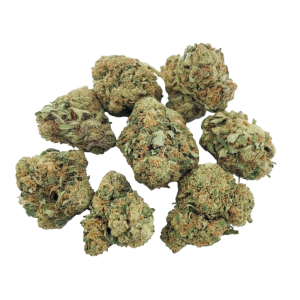 Organic small budsAK-47from 0.90 €/gVoir
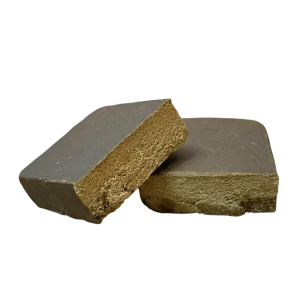 HashOgivefrom 6.56 €/gVoir
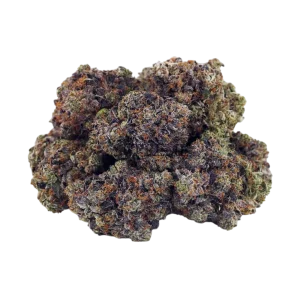 Strong CBDMike Tysonfrom 4.34 €/gVoir
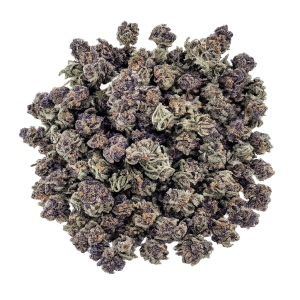 Small budsSmall Buds OG Purple Kushfrom 1.50 €/gVoir
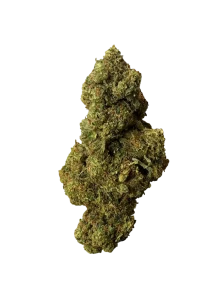 Strong CBDAnimal Tsunamifrom 5.60 €/gVoir
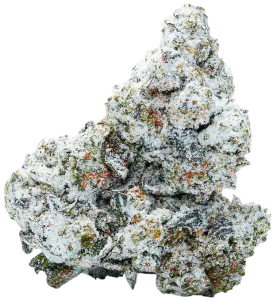 HashSub Zerofrom 4.00 €/gVoir
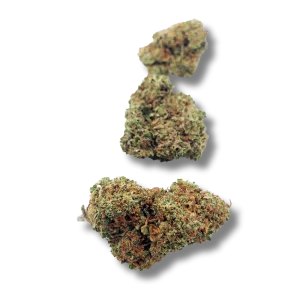 Small budsSmall Bud Bubble Gumfrom 0.90 €/gVoir
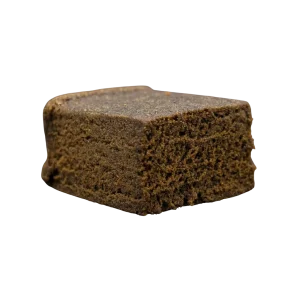 HashGold Gaz Marocainfrom 4.68 €/gVoir